A good frown is like punctuation. When a patient tells me they “lost their exclamation point” after Botox, I know what happened: the dosing or placement muffled expression instead of softening lines. The goal isn’t silence. The goal is a fluent face that still speaks.
This piece unpacks how to preserve personality while using neuromodulators, with the practical detail patients ask about in the chair. We’ll cover facial anatomy and expression mapping, technique nuances that matter more than many realize, how brand and dilution choices influence feel and movement, and the psychology behind “looking like yourself.” If you want smoother skin without the frozen look, this is how we get there.
What exactly is a neuromodulator?
“Neuromodulators explained” starts with the synapse. Botulinum toxin type A is a protein that binds at the neuromuscular junction, blocking the release of acetylcholine. No acetylcholine, no contraction at that motor end plate, which means dynamic lines quiet down. This effect is temporary, because the nerve sprouts new terminals and function returns over weeks to months.
“Botox” is the brand most people know, but there are others in common use, including Dysport, Xeomin, Jeuveau, and Daxxify. When you ask “what is a neuromodulator,” think of it as a targeted, reversible brake on overactive muscles, not a skin filler. It doesn’t fill, it relaxes. Pairing that scientific truth with anatomy is where natural results live.
Where personality lives on your face
Personality doesn’t depend on the absence of lines. It depends on micro-movements and timing. Eyebrows that rise a few millimeters when you greet someone, a crisp lateral brow flare when you’re skeptical, corrugators that grip a touch when you think hard, a slight squint that reads warm rather than strained. These are learned and coded into your habitual muscle patterns.
If you’ve got strong frontalis activity, your baseline brows sit higher and you use forehead lift to communicate attentiveness. If your corrugators and procerus dominate, your resting face looks serious even when you’re content. Thick skin can mask small doses and requires a firmer approach to see smoothing, while thin skin shows every change and calls for restraint.
Preserving personality means identifying which movements signal “you,” then deciding what to reduce and what to protect. This requires a deliberate assessment, not just dotting the classic “11s” and forehead lines.
A consult that guards your expressions
What happens during a Botox consult when the aim is to keep expression? I watch you talk. I ask you to smile the way you would at a friend, not a camera. I have you read a paragraph aloud to see spontaneous brow choreography. I take short videos so we can slow the motion and mark muscles that drive your signature cues. This is “botox facial assessment process” and “botox expression mapping” in real life, not just a phrase.
I also test muscle strength. Some corrugators push hard against a gloved fingertip and spring back, others barely engage. That difference guides both dose and dilution. We look for asymmetries, like one lateral frontalis segment that hikes higher, or a unilateral brow depressor that is stronger, because asymmetrical faces need targeted correction.
We review “botox candidacy criteria” and “who should not get botox.” Active infection at the injection site, certain neuromuscular disorders, pregnancy, and breastfeeding are standard contraindications. We go through “botox and medications” and “botox drug interactions” that raise bruising risk, like blood thinners and some supplements, and whether a planned event changes timing. This isn’t bureaucracy, it’s risk control so that your first two weeks look good and feel predictable.
Brand and formulation nuances you can feel
Patients ask about “botox brand differences” because friends compare experiences. Here’s the practical bit. All FDA-cleared brands rely on a botulinum toxin type A core, but they differ in accessory proteins, unit potency, and diffusion profiles. “Botox formulation differences” aren’t marketing fluff; they influence spread and onset.
Xeomin is a “naked” toxin without complexing proteins, which some clinicians prefer for reduced immunogenicity. Dysport often shows a slightly faster onset for some patients and may feel “softer” across larger areas like the forehead due to its spread characteristics. Daxxify can have a longer duration in many patients, which is appealing but raises the stakes for getting the dose right. Unit equivalence is not 1 to 1 across brands, so doses shift with brand. The effect on expression is tied to how far the agent diffuses from the injection point, how concentrated the solution is, and the muscle’s depth and fiber orientation. The bottom line: the brand is a tool, not a style. We pick based on your anatomy, goals, and tolerance for onset and duration.

Why dilution and storage shape the result
Two syringes can contain the same units but behave differently because of “botox dilution explained.” A more concentrated dilution reduces spread, helpful when we want to isolate the glabellar complex without drifting into the frontalis. A slightly more dilute mix can create a gentle field effect, useful for “micro botox for skin quality” in the T zone. Neither is inherently better; they’re chosen for a purpose.
“How Botox is stored” matters for potency. It ships lyophilized and is reconstituted with sterile saline. Once mixed, refrigeration and a tight timeline support consistent outcomes. The “botox shelf life explained” depends on brand and clinic protocols, typically hours to a few weeks post-reconstitution, with many practitioners favoring fresh-mix policies for consistency. Ask your provider how they manage inventory and timing. A clear answer is a good sign.
Anatomy-based injections preserve the human
“Anatomy based botox” keeps expression by respecting the vector of each muscle. The frontalis is a vertical elevator with horizontal fibers. Treating the lower third too heavily can drop brows and flatten surprise, while under-treating the upper third can leave etched lines that clash with smooth lower segments. The corrugators pull eyebrows inward and down. Over-treating them can remove that concentrative pinch that many professionals rely on when presenting or thinking. The orbicularis oculi encircles the eye, creating crow’s feet but also the warm squint that looks friendly in conversation. We often chase the radial lines without realizing they are part of genuine laughter. Preserving a few lines at full smile reads human, not aged.
“Precision botox injections” and “advanced botox mapping” mean placing units in micro-deposits, angling the needle to stay intramuscular without piercing deeper vessels, and avoiding diffusion into elevators you want to keep. “Dynamic botox placement” treats movement patterns with the face in motion, rather than dotting a static grid. Static lines require a set of tactics different from dynamic wrinkles, which is why “static vs dynamic wrinkles botox” isn’t an academic distinction. For static etched lines, you might pair light neuromodulator with resurfacing or biostimulatory skincare. Trying to erase a static crease purely with toxin pushes doses into expression-killing territory.
The male face, strong muscles, and thick skin
“Botox for men explained” gets interesting because male foreheads tend to be broader, with heavier brow anatomy and stronger frontalis. “Male botox differences” include deeper corrugator bellies and often thicker dermis, so higher units or denser concentration may be needed to see smoothing. At the same time, men typically want to keep a more rugged, “botox for masculine features” aesthetic, which means protecting lateral brow lift and the outer crow’s-feet twinkle. Keeping doses low along the Ann Arbor MI botox lateral frontalis and favoring central points can maintain a confident arch without a startled look. For “botox for strong muscles,” expect marginally higher unit totals, and for “botox for thick skin,” plan on combining with skincare that tackles texture because toxin won’t refine pores by itself.
“Botox for thin skin” flips the calculus. Lower doses go further, and spread creates quick changes. Micro-deposits and conservative first sessions help avoid the waxy look under bright light. If a patient’s skin is thin and they’re camera-facing, we may split the plan into two sessions, two weeks apart, to tune expression gradually.
Asymmetry and expressive faces
No face is symmetrical. “Botox for asymmetrical faces” means measuring brow heights, checking hairline shape, and noting one-sided habits like phone squint or a favored eyebrow lift. Treating the asymmetric face with symmetric dosing is a recipe for off-kilter results. “Botox for expressive faces” adds a layer: we protect your dominant expression moves. If your right brow carries your sarcasm and you like it that way, we dose less on that side’s elevator fibers and balance the depressors, rather than flattening both.
A quick anecdote: a stage actor came in wanting softer forehead lines without losing projection. We cut the typical frontalis dose by half, concentrated it centrally, and left the lateral frontalis almost untouched. We specifically protected the medial brow elevator he uses for emphasis. The actor kept his “stage brow” yet looked rested in close-up photos. That’s expression mapping in practice.
Timing, onset, and how to test natural movement
The “botox timeline week by week” matters for expression. Day by day, expect little change for two to three days, a noticeable shift by day five to seven, and “botox peak effect timing” typically at two weeks. This is when we evaluate. A “botox refinement session” at two weeks can add a few units to a stubborn line without risking global heaviness. This top-up is better than starting with a heavy hand.
“Botox wearing off signs” show up first as slight twitching in familiar areas, then the return of lines at maximal expression. “Early botox fade reasons” include high metabolism, strong baseline muscles, heavy exercise, and stress. “Stress and botox longevity,” mediated in part by cortisol and neuromuscular tone, can shorten duration. Sleep and recovery influence perceived results too. “Sleep and botox results” aren’t about the toxin moving after you leave the clinic; it is about how rested tissues look. Short sleep keeps you puffy and tense, masking smoothness.
Aftercare that protects placement, not myths
Right after injections, we advise simple moves. Stay upright for several hours. Skip aggressive facial massage for a couple of days. Avoid strenuous exercise for the first day. Don’t chase a single missed gym session; it won’t make or break your results. “Side sleeping after botox” isn’t a major risk once you pass the first evening. “Gua sha after botox” is fine after 48 hours if it’s gentle and away from treated zones. “Microneedling after botox,” “chemical peel after botox,” and “laser treatments after botox” need spacing. I prefer a one to two week buffer, depending on modality, to avoid unexpected spread or inflammation that confuses the early read.
“Botox and facial massage” becomes a problem only when deep and immediate. Light skincare is fine. Which brings us to synergy.
Skincare and neuromodulators work better together
“Combining botox with skincare” stretches your results and keeps doses conservative. “Botox and retinol” or retinaldehyde improve texture and fine lines that toxin can’t change. Balanced “botox and acids,” like low-strength AHA or PHA routines, refine tone without trauma. Daily “botox and sunscreen” is non-negotiable. UV breaks collagen and etches static lines that no amount of neuromodulator can erase. For oily T zones, “botox for acne oil control” with micro-botox can reduce sebum outputs by nudging superficial arrector pili and pilosebaceous units, but this technique must be light to maintain expression. Done well, “botox glass skin effect” is a subtle clarity boost that photographs nicely without the porcelain mask.
Safety, ethics, and saying no
“Ethical cosmetic injectables” starts with informed consent. We discuss “botox FDA approval explained,” the “botox toxin safety” profile, and “botox dosage safety margins.” We go over “botox contraindications” including pregnancy and breastfeeding, and note that while systemic absorption is minimal with cosmetic dosing, we avoid treatment during pregnancy out of caution. “Botox and medications” and “botox and supplements” review is to reduce “botox bruising risk factors.” Fish oil, high-dose vitamin E, ginkgo, and blood thinners increase bruise risk. If you rely on prescription anticoagulants, we coordinate with your physician rather than self-adjusting.
“Responsible botox practices” also means declining to treat when the request would strip away expressivity or distort facial integrity. “Saying no to botox” might be the right answer when a patient asks to immobilize the lower forehead in a way that will clearly drop their brows, or when severe static lines would be better managed with resurfacing first. “When botox is not recommended” also includes unrealistic timelines, like expecting a camera-ready forehead 48 hours before a wedding. It takes two weeks to settle.
Myth busting, from collagen to dependency
“Botox and collagen myths” come up often. Does botox build collagen? It can indirectly lessen mechanical stress on wrinkles, allowing some dermal remodeling over months, but it is not a collagen-stimulating drug. “Botox and skin texture” can appear improved because of reduced motion and better light reflection, not because pores shrink. “Botox and pores” only shift with micro-botox or skincare changes, and results vary.
The “botox dependency myth” misses the reversible nature of the treatment. “Can you stop botox safely?” Yes. “What happens when botox wears off” is a return to baseline movement. There is no rebound worsening, though you may notice lines more because you enjoyed the smoother look. “Botox muscle recovery” happens as new nerve terminals form. “Botox reversibility explained” means time is the antidote. “Can botox be reversed” chemically? No. We wait it out. That is why cautious dosing matters, especially with longer duration products.
The plan that keeps you, you
A “botox consultation process” that centers on personality leads to a measured “botox treatment planning” approach. We set a “botox maintenance schedule” that aligns with your movement goals. For many, the “botox frequency guide” falls between every three to four months. “Botox every three months” suits strong-muscled, expressive patients who want consistent softness. “Botox every four months” or longer may suit those who prefer a lighter, undetectable ebb and flow. “Spacing botox treatments” slightly beyond the first sign of movement can preserve muscle tone and lower the risk of flatness.
“Custom botox vs standard dosing” is not a slogan. It is the difference between a controlled two-unit tweak in the lateral orbicularis and a blanket ten-unit line that wipes your smile crinkles. “Botox one size fits all myth” dies in the exam room when you compare a ballet dancer’s delicate orbicularis to a swimmer’s pronounced corrugators. “Injector skill importance” sits at the center of this. Choosing a provider who can explain “anatomy based botox,” demonstrate “precision botox injections,” and outline “botox personalization benefits” will do more for your personality than any brand choice.
Managing expectations and the feel of your face
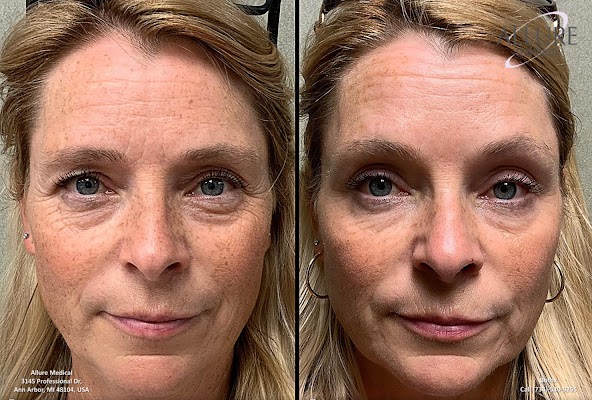
“Realistic botox results” are smoothness at rest, softened lines during expression, and preserved movement that reads authentic. “Botox expectations guide” includes a discussion of the “botox timeline week by week,” the feel of slight heaviness for a few days in strong foreheads, and how the brows settle. “Why botox results differ” spans “botox individual variability,” “botox genetics influence,” and “botox and hormone levels.” Fluctuations across menstrual cycles, perimenopause, or high-cortisol periods can shift perceived duration. Training load, heat exposure, and illness status also play roles at the margins.
If you are preparing for an important event, “botox before events” should be scheduled with “botox event prep timeline” in mind. Two to four weeks before photos is the safe window. The “botox wedding prep guide” is simple: trial at least once months ahead to learn your personal response, then maintain a predictable schedule. “Botox photography readiness” benefits from two-week settling, gentle skincare, and steady hydration more than any last-minute tweak.
Minimalism as a philosophy
The “botox minimalism trend” and “soft botox movement” align with preserving personality. “Undetectable botox philosophy” is about low dosing across dynamic vectors and leaving trace movement at full smile. It calls for restraint at the lateral frontalis and respect for the orbicularis oculi’s role in warmth. I often tell patients we are not deleting punctuation marks, we’re changing boldface to regular. You can still raise a brow, just not crease ten lines with it.
Practical pointers for natural results
Here is a compact checklist patients find helpful when the goal is expression preservation:
- Arrive with your real face. Avoid heavy makeup and rehearse natural speech, not exaggerated expressions. Bring reference photos where you like your look and where you felt too frozen or too lined. Ask your injector how they map corrugator and frontalis segments and how they handle asymmetry. Start conservative, plan a two-week review, and use micro top-ups rather than large first passes. Protect placement for 24 hours with upright posture, no deep facial massage, and moderate activity.
Red flags before the needle
A brief list of “botox consultation red flags” to watch for:
- No discussion of your expression goals, only wrinkle counts and unit packages. One-brand dogma without reasoning about your anatomy or movement patterns. No two-week review policy or refusal to do small refinements. Vague answers about dilution or storage practices. Pressure to chase static creases with high doses rather than combining modalities.
Long-term planning and value
“Botox long term results strategy” keeps doses stable, protects function, and uses adjuncts to avoid creep into heaviness. “Botox maintenance philosophy” is consistency, not escalation. Rotate intervals based on season if needed. “Botox seasonal timing” can matter; high-sweat summer training might shorten duration for some, while winter dryness pushes you to pair with richer skincare. A “holistic approach to botox” that includes sleep, stress management, sun protection, and topical actives can reduce the units you need over time.

Is it worth it? “Botox cost vs value” depends on your priorities. If expression matters, the value comes from feeling like yourself in conversation and photos without distracting lines. “Botox results consistency” improves once you and your provider learn your pattern. That learning curve usually takes two to three cycles.
A note on alcohol, caffeine, and lifestyle minutae
“Botox and alcohol” on the day of treatment can raise “bruising risk factors.” “Drinking alcohol after botox” is better delayed until the next day, especially if you bruise easily. “Botox and caffeine” isn’t a direct issue, but if you’re sensitive and jittery, skip the triple shot right before your appointment. Gentle routines win. Keep supplements that thin blood, like high-dose fish oil, in mind around your appointment. If you’re on “botox and blood thinners,” we plan for slower injection technique, more pressure on sites, and clear expectations for bruising.
When not to chase Botox for mood
You may have read “botox and depression studies” and the “botox facial feedback theory.” The idea is that reducing frown muscle activity can alter feedback to the brain and improve mood for some. The data are mixed and evolving. “Botox anxiety reduction myths” deserve cautious treatment. While softening a harsh resting frown can change how others respond to you and how you perceive yourself, toxin is not a primary tool for mental health. We keep our claims modest and our focus on expression and aesthetics.
Final thoughts from the injection chair
The best compliment after treatment is not “no one noticed.” It is “my partner said I looked well rested,” and your brow still arches when you tell a story. That effect comes from anatomy-first planning, careful “botox injection technique,” thoughtful choices about brand and dilution, and a willingness to do less on day one so we can do just enough at the review.
If you want smoother lines and to keep your punctuation marks, ask for a consult that includes expression mapping. Bring a short video of yourself talking, gather your questions about storage and dilution, and set a two-week follow-up before you even schedule the injections. You’ll protect the thing that matters most: your face’s voice.